Have You Tried Explaining It to the Rubber Duck? A Graphic Design Asset for Crafts and Marketing
First Impressions: The Mood and Emotional Tone of the Design
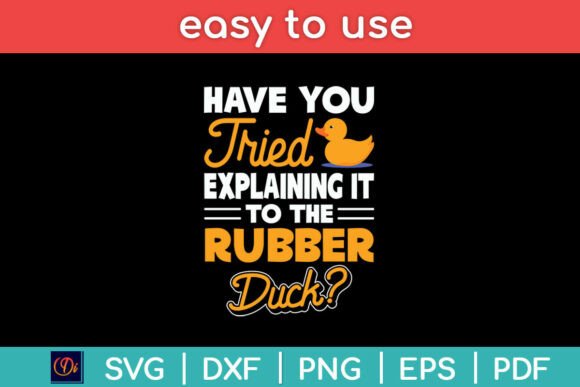
At first glance, Have You Tried Explaining It to the Rubber Duck Debugging Funny SVG File brings a playful yet approachable vibe that immediately stands out. This graphic design asset feels like a lighthearted nod to problem-solving and creativity, making it ideal for brands that want to communicate a sense of fun and innovation without sacrificing professionalism.
The emotional tone is friendly and relatable, which makes it especially suitable for casual branding, lifestyle content, or even promotional materials for handmade products. Its whimsical nature can help build an emotional connection with audiences who appreciate humor and storytelling in marketing visuals.
Fitting into Real Marketing Projects: A Practical Perspective
Imagine launching a new product line with a focus on productivity tools or creative software. Have You Tried Explaining It to the Rubber Duck? could serve as the visual anchor for your campaign, helping to create a memorable brand identity that resonates with your target audience.
This SVG file would work well in various contexts such as:
- Social media graphics – Perfect for Instagram posts or Facebook ads that aim to engage users with a light-hearted message.
- Pinterest pins – Ideal for creating visually appealing content that encourages pinning and sharing.
- Email banners – Can be used to introduce a new feature or promote a seasonal offer in a friendly manner.
- Product packaging inserts – Adds personality to physical items, reinforcing brand voice through visual storytelling.
- Canva templates – Great for content creators looking to build a cohesive brand look across multiple platforms.
Supporting Marketing Goals with Visual Consistency
One of the key strengths of this graphic design asset is its ability to support stronger first impressions and clearer visual hierarchy. When used consistently across different marketing channels, it helps reinforce brand recognition and improves audience trust.
For instance, using this illustration in hero graphics or campaign headers can draw attention while maintaining a professional appearance. It also contributes to better engagement by creating a sense of familiarity and approachability.
Its versatility allows it to be paired with various font styles, from serif to display fonts, ensuring that it complements both modern and traditional design aesthetics. However, careful consideration should be given to spacing and balance when integrating it into larger layouts.
Where This Design Asset Works Best
Hero graphics – As a focal point in digital campaigns or website headers.
Campaign headers – To introduce a new product or seasonal promotion with a touch of humor.
Product launch visuals – Especially for tech or creative tools where problem-solving is central to the brand narrative.
Branded templates – For social media covers or printable designs that align with the brand’s visual language.
Packaging accents – Adds personality to product boxes or labels, especially for niche or handmade goods.
Content bundles – Useful for designers or marketers offering downloadable assets or design kits.
Where to Use with Caution
While this asset is highly versatile, there are situations where it may not be the best fit. For example, it might not be suitable for formal corporate branding or dense information layouts where clarity is paramount. Similarly, using it on small mobile graphics or low-contrast backgrounds could reduce its impact.
It's also important to ensure that it doesn't compete with the main message in text-heavy ads or overly minimalistic designs. Always test it within the context of real campaign mockups to confirm its effectiveness.
Brand Designer Notes: Practical Tips for Using This Asset
Before incorporating Have You Tried Explaining It to the Rubber Duck? into your branding or marketing efforts, consider the following:
- Test it with your brand color palette to ensure it complements your existing visual identity.
- Check black and white usage to verify that it maintains its appeal in grayscale formats.
- Preview it on mobile screens to confirm readability and visual impact at smaller sizes.
- Review spacing and balance when placing it alongside other elements in your layout.
- Confirm commercial licensing before using it in paid campaigns, client work, or business branding.
By taking these steps, you can ensure that this creative design asset enhances rather than detracts from your overall brand communication strategy.
Conclusion: A Strong Design Asset for Content Creators and Small Business Promotion
Have You Tried Explaining It to the Rubber Duck Debugging Funny SVG File is a valuable addition to any designer’s toolkit. Whether you're working on editorial design, web design, or content marketing, this graphic design asset offers a unique way to connect with your audience while maintaining a professional appearance.
Its use in crafts and digital product creation opens up new possibilities for small businesses, online coaches, and creative entrepreneurs looking to stand out in a crowded marketplace. By thoughtfully integrating this design into your marketing visuals, you can create more engaging, consistent, and memorable campaign content that resonates with your target audience.